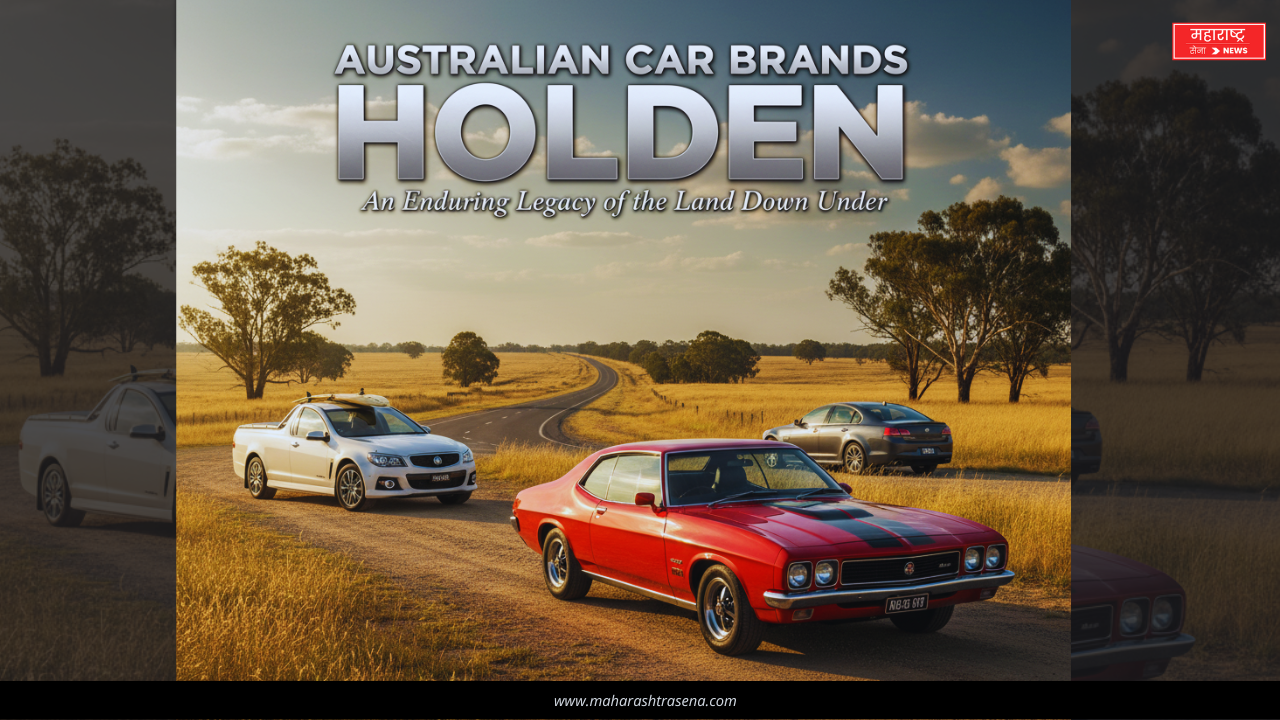
Australian Car Brands Holden 2025 Complete Guide
Holden is one of the most iconic Australian car brands, synonymous with local automotive history, performance vehicles, and cultural significance. Even though mass production ended in Australia in 2017, Holden remains a symbol of Australian engineering, design, and car culture. This guide explores the history, popular models, achievements, and the legacy of Holden cars in Australia in 2025.
Introduction to Holden
Founded in 1856 as a saddlery business, Holden transitioned into automobile manufacturing in 1948, becoming Australia’s first mass-production car manufacturer. Over decades, Holden produced sedans, utes, performance cars, and family vehicles that became an integral part of Australian life.
Key highlights:
- National Identity: Holden is considered a symbol of Australian automotive innovation.
- Diverse Range: Produced everything from everyday sedans to high-performance muscle cars.
- Legacy in Racing: Holden vehicles, especially in the V8 Supercars series, became performance legends.
Although Holden ceased Australian manufacturing in 2017, the brand continued as an importer and remains influential in car culture.
History of Holden
2.1 Early Years (1856–1940s)
Holden started as a saddlery company and evolved into automobile assembly during the early 20th century. The first locally produced Holden car, the 48-215 Holden (FX), launched in 1948 and became a national sensation.
2.2 Golden Era (1950s–1980s)
During this period, Holden became a household name:
- Popular Models: Holden FJ, Kingswood, Monaro
- Achievements: Focused on family sedans and performance vehicles.
- Significance: Became the top-selling car brand in Australia for decades.
2.3 Performance and Muscle Cars (1960s–2000s)
Holden Special Vehicles (HSV) emerged to cater to performance enthusiasts:
- Iconic Models: Commodore SS, Monaro GTS
- Legacy: V8 engines and high-performance tuning earned Holden a legendary reputation.
2.4 End of Local Manufacturing (2017)
Global economic pressures and competition led Holden to end Australian production, closing plants in Elizabeth, Adelaide. The brand shifted to importing vehicles while maintaining market presence.
Popular Holden Models
3.1 Holden Commodore
- Type: Sedan / Sports Wagon
- Engine Options: V6, V8, Turbo
- Features: Modern infotainment, safety technologies, rear-wheel drive options
- Significance: Iconic Australian family and performance car
The Commodore has been a staple in Australian households and motorsport.
3.2 Holden Monaro
- Type: Muscle car / Coupe
- Engine Options: V6, V8
- Special Features: High performance, sporty styling
- Legacy: Legendary Australian muscle car and collector favorite
3.3 Holden Utes
- Type: Utility Vehicle / Pickup
- Popular Models: Holden Ute (VE & VF series), Colorado
- Features: Towing capacity, off-road readiness, versatile cargo bed
- Significance: Essential for tradespeople and outdoor enthusiasts
Holden utes remain highly regarded for their ruggedness and reliability.
3.4 Holden HSV (Holden Special Vehicles)
- Type: High-Performance Vehicles
- Popular Models: HSV GTS, Clubsport, Maloo
- Engine Options: Supercharged V8, up to 600+ horsepower
- Special Features: Track-ready suspension, aerodynamic body kits
- Significance: Australian performance legend with strong motorsport heritage
HSV transformed Holden into a global performance icon.
Holden’s Contribution to Motorsport
Holden has a strong legacy in motorsports, especially in V8 Supercars / Supercars Championship:
- Dominated racing series with Commodore and Monaro models.
- Created a strong enthusiast following and iconic Australian racing rivalries, particularly with Ford.
- HSV vehicles were often race-modified, influencing street car design.
Holden’s motorsport involvement reinforced its identity as a performance-driven Australian brand.
Holden’s Legacy in Australian Culture
Holden is more than just a car brand; it is a cultural icon:
- National Pride: Represented Australian engineering and design for decades.
- Family and Work Vehicles: Sedans and utes became staples for families and tradespeople.
- Car Enthusiast Community: HSV, Monaro, and Commodore owners maintain strong communities.
- Classic Collectibles: Many Holden models are now collector’s items, preserved by enthusiasts.
Key Features of Holden Cars
- Durability: Built to withstand Australia’s harsh conditions.
- Performance: High-powered V8 engines for muscle and performance models.
- Versatility: From family sedans to rugged utes.
- Innovative Technology: Modern infotainment, safety systems, and advanced driving aids in later models.
- Cultural Appeal: Represented Australian lifestyle, work ethic, and performance culture.
Challenges and Transition
While Holden ceased local manufacturing, the brand faced:
- Global Competition: International imports dominated the market.
- High Production Costs: Australian manufacturing costs were unsustainable.
- Changing Consumer Preferences: Shift towards SUVs and compact vehicles.
Holden transitioned to importing vehicles from global partners, including Opel and Chevrolet, until its brand retirement in 2020.
The Future of Holden Cars
Although Holden is officially retired, its impact continues:
- HSV Legacy: Some HSV models and tuning remain popular among enthusiasts.
- Classic Car Market: Commodore, Monaro, and utes are highly collectible.
- Australian Car Culture: Holden continues to influence car design, motorsport, and automotive identity.
Frequently Asked Questions (FAQs)
Q1: Is Holden still manufacturing cars in Australia?
A1: No, Holden ended Australian manufacturing in 2017. Vehicles are now imported, and the brand was officially retired in 2020.
Q2: What are the most iconic Holden cars?
A2: Holden Commodore, Monaro, Holden Utes, and HSV performance models are iconic.
Q3: Are Holden cars good for performance driving?
A3: Yes, especially HSV models and V8 Commodores, which are known for power and handling.
Q4: Can I still buy a Holden car in Australia?
A4: New Holdens are no longer sold, but used cars, especially Commodore and Monaro, are widely available.
Q5: What makes Holden unique among Australian car brands?
A5: Holden combined national pride, performance, versatility, and cultural significance.
Q6: Are Holden cars popular among collectors?
A6: Yes, classic Commodores, Monaros, and HSV models are highly sought after.
Q7: Did Holden participate in motorsports?
A7: Yes, Holden dominated V8 Supercars and racing events, cementing its performance reputation.
Q8: What is HSV?
A8: Holden Special Vehicles (HSV) is Holden’s performance division, producing high-powered and track-focused vehicles.
Conclusion
Holden remains one of the most significant Australian car brands in history. From the early days of the 48-215 FX to the powerful HSV models, Holden cars shaped Australian car culture and motorsport. Despite the end of local manufacturing, Holden’s legacy lives on in the hearts of car enthusiasts, collectors, and everyday Australians who grew up with Commodores, Monaros, and utes.
The story of Holden highlights the resilience, innovation, and performance spirit of Australian automotive engineering. Even in 2025, Holden’s influence continues to be felt through classic cars, collector communities, and Australian car culture.
australian car brands holden, australia car brand holden, australian car manufacturer holden, are holden cars still made in australia, what was the last holden made in australia, australian car brands, australian car company, australian cars holden, holden cars, holden commodore, holden car models, is holden still making cars, holden sports car, holden cars for sale, holden car price, holden car price in australia